
Sole Proprietorship Registration
Start trading as a proprietor with a CA & CS-led team handling the registrations that actually apply to your business — GST, Udyam, Shop Act and more.
Starter
Your business is documented. Pick this if you need proof of business to open a current account.
- MSME Udyam registration
- Shop Act intimation or registration (Intimation if fewer than 10 workers; registration if 10 or more)
- Professional tax enrolment (PTEC)
- Current account opening guidance
Launch
You're operational. Pick this if you'll be invoicing clients from day one.
- Everything in Starter
- GST applicability and scheme consulting
- GST registration (Fast-track route used where you're eligible)
Growth
You're filed through year one. Pick this if you don't want to think about filings for a year.
- Everything in Launch
- Financial statements prepared
- Presumptive or regular scheme chosen for your ITR
- Advance tax computed, with due-date reminders
- Income tax return filed
Note: Our annual tax compliance service is ₹7,999 a year on its own. Included in Growth plan. GST return filing and tax audit, where applicable, are quoted separately. FSSAI, IEC, trade licence and trademark are available as add-ons. Not sure a proprietorship fits? Talk to a CA — free 15-minute call.
Ideal For
Individually run businesses that don't yet need a separate legal entity. Planning to raise funding, add co-founders or want limited liability? A Private Limited Company or LLP is usually the better start.
Freelancers & Consultants
Invoice clients under a trade name and open a current account for your work.
Independent Professionals
Designers, trainers, developers and other solo practices with steady clients.
Small Retailers & Traders
Shops and trading businesses that need Shop Act, GST and a bank account.
Home-based & Local Businesses
Tuition, food, tailoring, repairs and other local services run by one owner.
Individual Online Sellers
Marketplace and D2C sellers — we check whether GST applies to how you sell.
Founders Testing an Idea
Start formally at low cost; move to a company once the idea works.
Why Choose a
Sole Proprietorship?
The simplest way to trade formally — with trade-offs worth knowing before you start.
Lowest Setup Cost
No incorporation, stamp duty or MCA fees — just the registrations you need.
Full Control
You make every decision. No partners, shareholders or board approvals.
Lighter Compliance
No ROC filings. Your main annual filing is your own income tax return.
Presumptive Taxation
Eligible businesses and professionals can pay tax on a deemed profit with simpler books.
Easy to Start or Close
Begin quickly, and wind down by cancelling registrations — no strike-off process.
The trade-off: your personal assets aren't protected from business liabilities, and investors generally won't fund a proprietorship.
How do you register a sole proprietorship in India?
There's no single MCA certificate for a sole proprietorship. You establish the business by completing the registrations that apply to it — usually Udyam, Shop Act intimation or registration, professional tax enrolment and, where required, GST — and then open a current account in the business name.
A proprietorship is owned and run by one person with no legal separation from the business: you keep the profits, carry the liabilities personally, and are taxed under your own PAN. Read the complete guide.
What Registrations Does a Sole Proprietor Need?
Not every proprietor needs every item. It depends on your activity, turnover and state — your CA maps which apply on the first call.
Selling services online, or selling goods online only within Maharashtra, doesn't by itself require GST while you're below the turnover limit.
Why 1,000+ Founders Trust StartBusiness
From mapping your registrations to the final certificate, a CA manages every step — so you can focus on the business, not the portals.
Working-Day Turnaround
Typical time for the full set of registrations.
Dedicated CA
A single expert from start to finish.
Pre-Filing Review
Every application reviewed before submission.
Hidden Charges
Government fees at actuals, itemised upfront.
Call to Map It All
We tell you exactly which registrations apply.
Compare Your Registration Options
See how StartBusiness compares to DIY registration and traditional CA firms.
Sole Proprietorship vs OPC, LLP and Private Limited
Pick the structure that fits where you're headed, not just where you are.
Compare Private Limited, LLP or OPC registration.
Can I Register a Business Name?
There's no MCA name reservation for a proprietorship. You can trade under any name used consistently on your GST, Udyam and bank records — but that gives no exclusive rights. To protect it, apply for trademark registration.
Outgrowing Your Proprietorship?
You can't convert directly. Incorporate a Private Limited Company or OPC and let it take over the business. Done right — all assets and liabilities moved, shares as the only payment, and you keep 50%+ voting power for five years — it isn't taxed as a capital gain. The company needs its own GST registration.
Compliance After Registration
Your yearly income tax return; GST returns if registered; TDS where applicable; professional tax each year; and Shop Act or FSSAI updates when details change. See our tax compliance services.
Documents for Sole Proprietorship Registration
Identity, address and business proof. What you need depends on which registrations apply.
Proprietor
- PAN card
- Aadhaar card, linked to your mobile
- Passport-size photograph
- Mobile number and email
Business
- Trade name you want to use
- Business address proof
- Rent agreement and owner's NOC (if rented)
- Recent utility bill for the premises
- Business activity and expected turnover
What You Get:
Full-Service Sole Proprietorship Setup
You share your documents. We handle every form, filing and follow-up with the government portals until your business is live.
What We Do for You
- Registration mapping for your activity and state
- Document checklist and pre-filing review
- Trade-name check against registered trademarks
- Current account opening guidance
- Post-registration compliance support
Registrations We File
- MSME Udyam registration
- Shop Act intimation or registration
- Professional tax enrolment (PTEC)
- GST registration (Launch and Growth)
- Income tax return, year one (Growth)
- FSSAI, IEC, trade licence (add-ons)
Your Registration, Step by Step
A clear timeline from document upload to certificate — no guesswork, no waiting in the dark.
Requirement Assessment
A quick call with a CA on your activity, turnover and state.
Choose Your Trade Name
We check it doesn't clash with a registered trademark.
Document Collection
Share PAN, Aadhaar, address proof and business details online.
Applications Filed
Your CA files each application on the relevant portal.
Verification & Approval
GST in 3 working days on the fast-track route if eligible; longer if premises are verified.
Certificates & Bank Account
Receive certificates and receipts, then open your current account.

Not Sure Where to Begin?
Let's Talk.
Get a free 15-minute consultation with a senior CA. Clear answers on which registrations you need, timelines and costs — with zero sales pressure.
Talk to an ExpertFrequently Asked Questions
Got questions? Find quick, expert answers to everything you need to know before getting started
There's no single online form. You complete the registrations that apply to your business — typically Udyam, Shop Act intimation or registration and, where required, GST — on their government portals, then open a current account. A CA can map which you need and file them online for you.
Not a single one. GST is on the GST portal, Udyam on the Udyam portal, Shop Act through the state portal (in Maharashtra, via Aaple Sarkar), and FSSAI through FoSCoS.
Typically 5–7 working days for the full set. Udyam is usually instant. GST can be granted in 3 working days on the fast-track route for eligible applicants; standard applications can take longer if the department verifies premises.
Yes. Banks usually ask for proof of business — a GST certificate, Udyam certificate or Shop Act intimation receipt — plus the proprietor's PAN and Aadhaar. Requirements vary by bank.
Not directly. You incorporate a Private Limited Company or OPC and the company takes over the business. If it takes over all assets and liabilities, you receive only shares, and you keep at least 50% of the voting power for five years, the takeover isn't taxed as a capital gain.
No. The LLP Act allows conversion only from a partnership firm, private company or unlisted public company. You'd form a new LLP and move the business across, without the tax relief available for a company takeover.
No. Our professional fee is fixed. Government fees are charged at actuals and itemised before you pay — zero surprises at checkout.

“StartBusiness made our LLP registration incredibly simple. They handled all legal requirements and paperwork efficiently. Highly recommended for any new founders.”
Mr. Hemant Patil
Apaha Institute Of Construction Project Management LLP
“StartBusiness made our LLP registration incredibly simple. They handled all legal requirements and paperwork efficiently. Highly recommended for any new founders.”
Mr. Hemant Patil
Apaha Institute Of Construction Project Management LLP
Blogs & Guides
Explore practical guides, compliance checklists, and expert tax insights written by CAs to help you make smarter business decisions.
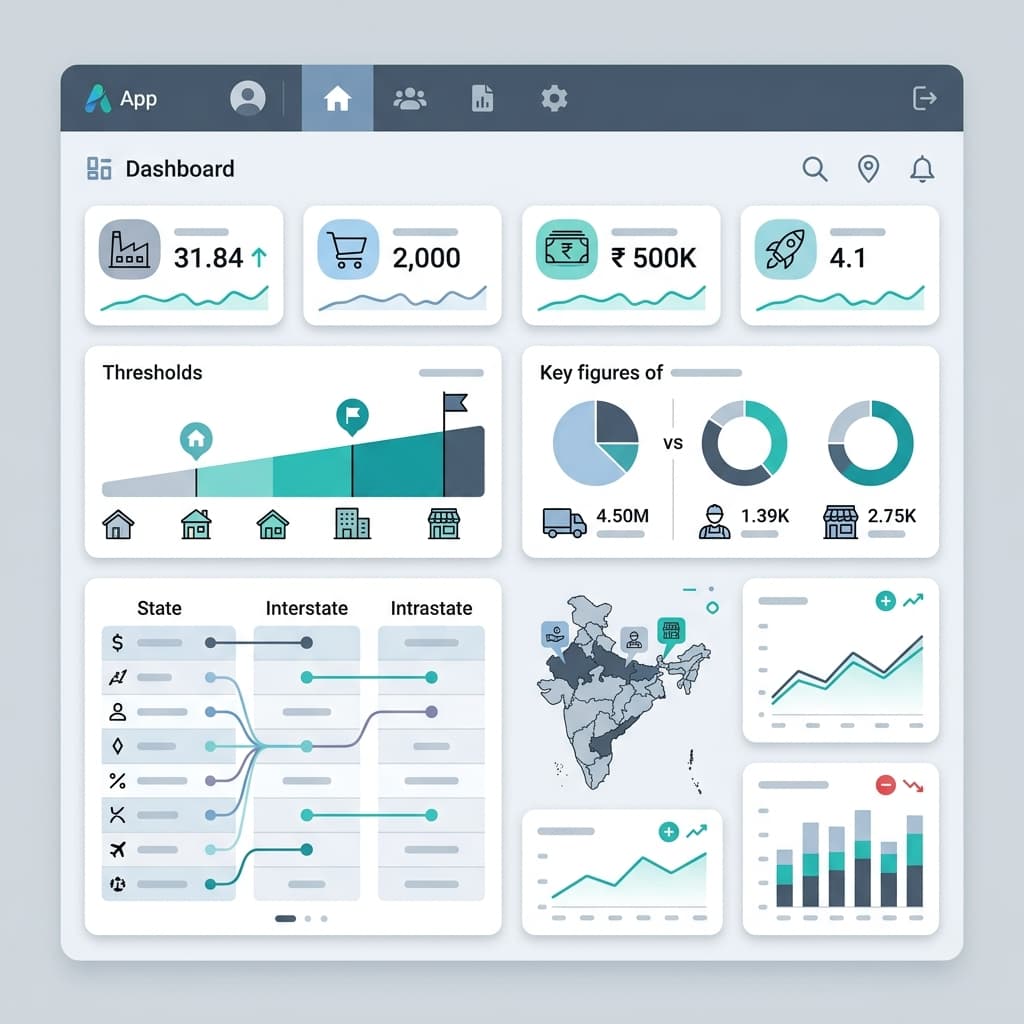
GST Registration Turnover Limit in India: Thresholds, Eligibility & Rules
Do you need GST registration? Learn the ₹20 lakh & ₹40 lakh turnover limits and when registration is mandatory.
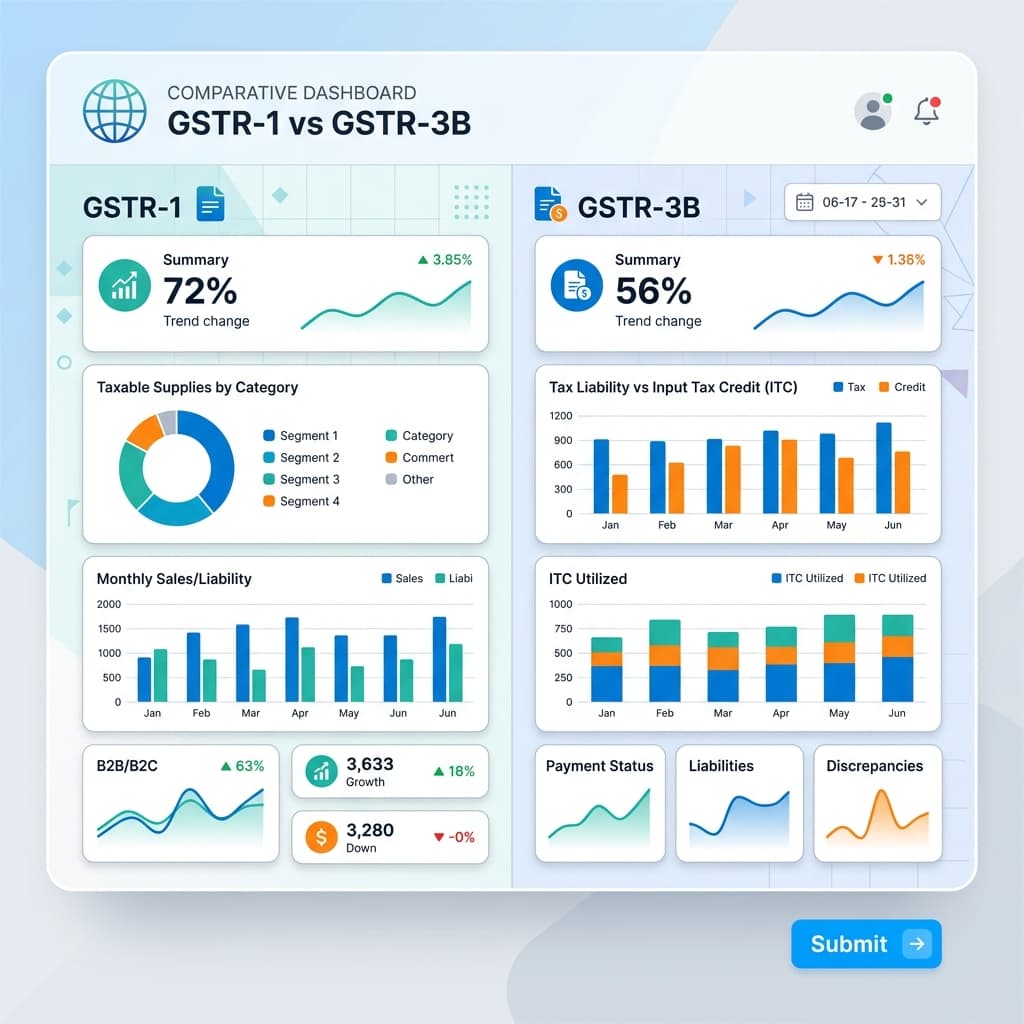
Presumptive Taxation in India: Sections 44AD, 44ADA & 44AE
Confused about presumptive taxation? Learn Section 44AD, 44ADA & 44AE with eligibility and tax details.
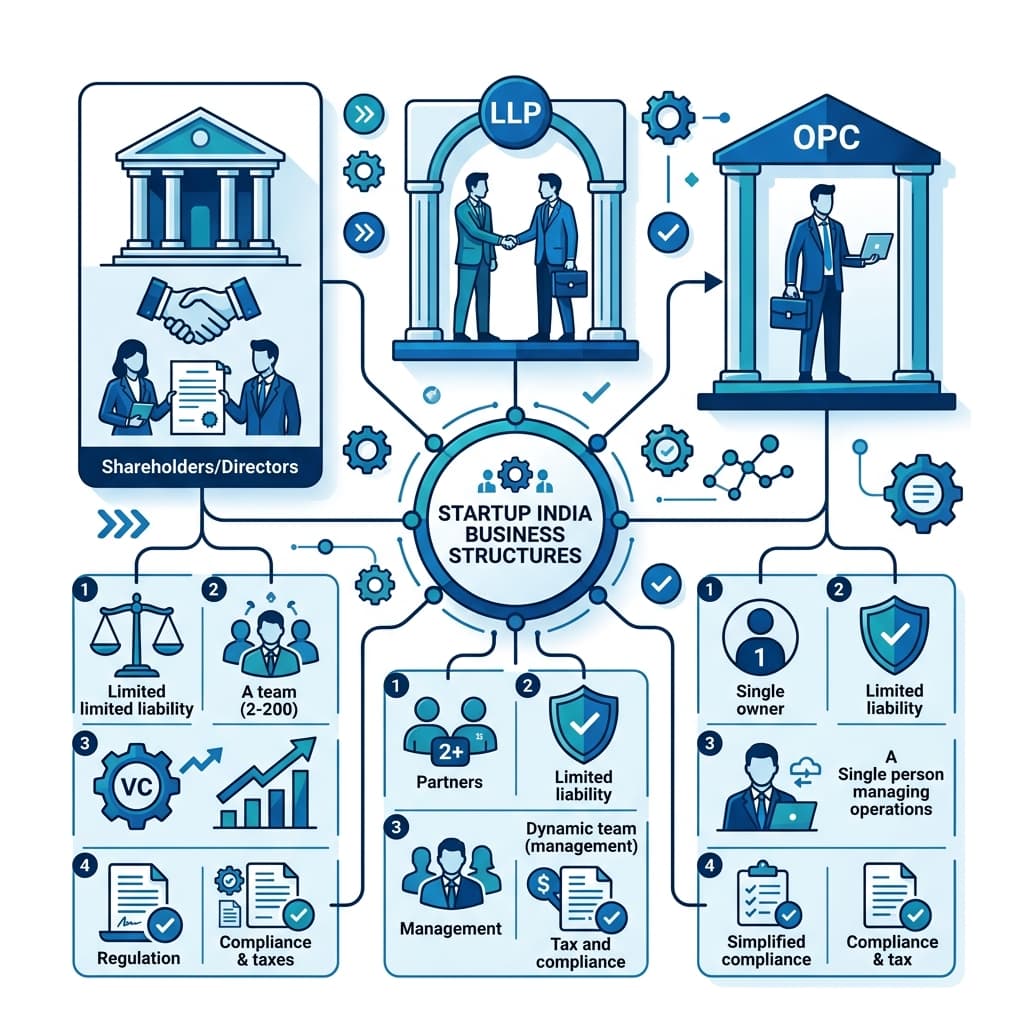
How Much Does It Cost to Register a Company in India?
Government fees, professional fees and hidden costs of registering a Private Limited Company, LLP or OPC.

Start Your Business Journey
in Under 15 Minutes.
Get a free 15-minute consultation with a senior CA. Clear answers on entity types, timelines, and costs - with zero sales pressure.
This page is general information, not legal or tax advice. Requirements, timelines and government fees vary by state, activity and turnover — confirm with your CA before proceeding.